Bird Sitting Flowers: A Honest Review for Real Embroidery Projects
When you’ve been stitching and selling embroidery as long as I have, you learn to spot a design that will work beautifully in the hoop—and one that will give you headaches before you even finish the first color change. I’ve tested dozens of bird motifs over the years, and Bird Sitting Flowers caught my attention immediately. It’s not trying to be a hyper-realistic portrait or a massive statement piece. Instead, it offers a quiet, charming composition that feels right at home on a tote bag, a baby onesie, or a set of kitchen towels. In this review, I’ll walk through how this design performs under real stitching conditions, where it shines, and where you might need to adjust your approach before stitching it for a client or adding it to your shop inventory.
First Impressions: Mood, Layout, and Visual Personality
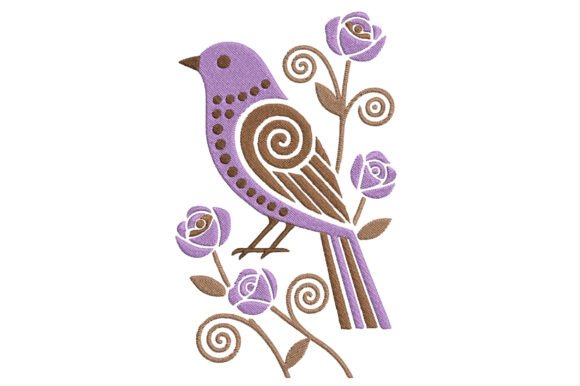
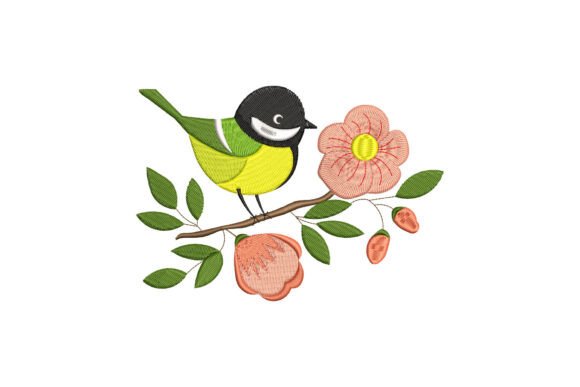
Right away, Bird Sitting Flowers reads as gentle and approachable. The bird is perched among a few simple floral shapes, with clean outlines and open spaces that keep the design from feeling cluttered. The composition is compact without being cramped, which is a good sign for those of us who stitch on ready-made garments where hoop access is limited. The mood is sweet but not childish—think rustic cottage rather than cartoon. That broadens the audience. I could see this as a custom gift for a nature-loving friend, a cute detail on a boutique baby blanket, or even a subtle embroidery patch on a canvas apron for a local coffee shop.
The layout feels balanced, with the bird sitting slightly off-center among the flowers. This asymmetry adds a natural, hand-drawn quality that machine embroidery can sometimes lack. It doesn’t rely on trendy lettering or trendy motifs, so it has a longer shelf life in a craft business. If you are an Etsy seller building a cohesive collection of nature-themed designs, this one fits without feeling like a copy of everything else out there.
How It Performs in Real-Life Embroidery Projects
I loaded Bird Sitting Flowers onto my machine after a quick test on scrap cotton. The first thing I noticed was the stitch density—it felt moderate, not too heavy. That translates to less risk of puckering on mid-weight fabrics like t-shirts or linen pillows. For a tote bag design, I would recommend a tear-away stabilizer or a cut-away for stretchy tote fabrics. The satin stitch on the bird’s wing and the flower centers gives just enough sheen to catch the eye without overwhelming the rest of the design.
I tested it on sweatshirt embroidery—a medium-weight fleece with a bit of stretch. No issues. The fill stitches on the flowers laid down smoothly, and the running stitch details stayed crisp. For a custom apparel order, I would confidently offer this design to a customer looking for something understated but not boring. The thread colors I chose were a soft sky blue for the bird, warm coral for the flowers, and a dusty olive for the stems. That combination looked fresh on both a cream sweatshirt and a charcoal tote. Dark fabric could work, but you’ll want to check whether the finer details—like the bird’s eye or the tiny leaf tips—read clearly. A light thread color on a dark background is usually fine, but test a stitch-out first.
On baby embroidery items, this design is ideal. The motif is small enough to fit on a 4x4 hoop, and the shapes are soft. I stitched it on a white cotton onesie, and the finish was soft to the touch—no scratchy back from dense stitch areas. For holiday embroidery, you could change the flower colors to match a season, like red and green for Christmas or pastels for Easter. That flexibility is a big plus for a small shop product that needs to turn over quickly.
Where to Be Careful with This Design
No design is perfect for every project, and Bird Sitting Flowers has a few limitations worth noting. The bird’s tail feathers and the smallest flower petals are done in fine satin stitch. On a towel or a heavily textured fabric, those details might get lost or pull into the weave. If you are stitching on terry cloth, I’d apply a water-soluble topper to keep the stitches on top of the loops. Similarly, on very thin fabric like a lightweight blouse, the fill stitches could show through. Back that with a soft cut-away stabilizer, or use a smaller hoop size to reduce tension.
Another area to watch: the design’s complexity is moderate, but if you try to scale it down below 2.5 inches, the bird’s eye and the thin lines around the flowers may become muddied. I tested it at about 3.5 inches wide, and everything was legible. If you are making an embroidered patch, this size is actually perfect—big enough to see the detail, small enough to sew onto a cap or a jacket pocket. For caps, however, the curved surface can distort the bird’s perch. I’d recommend floating the design with a stiff stabilizer and basting the area first.
For those selling digital embroidery file designs, be transparent with your customers about hoop size recommendations. Not everyone will test before stitching. Advise them to check stitch density and thread colors for their specific fabric. That builds customer trust and reduces returns or negative reviews.
Visual Appeal, Product Value, and Customer Perception
From a sales perspective, Bird Sitting Flowers hits a sweet spot. It is detailed enough to look like a premium handmade product, but simple enough to stitch quickly. For a craft business, that means better profit margins on custom apparel or personalized gifts. I’ve found that buyers on Etsy respond well to designs that feel personal and artistic. This bird motif communicates care and thoughtfulness—exactly the kind of personalized gift that sells year-round. It works for weddings (think bridal party gifts with the couple’s initials added), new babies, housewarming, and even sympathy gifts when stitched in softer tones.
The finished product looks professional without being stiff. The slight irregularities in the flower petal shapes read as hand-drawn, not machine-perfect. That gives the handmade product a sense of authenticity that customers notice. If you use nice thread—like a rayon or a high-quality polyester—the subtle sheen elevates a simple tote into something boutique. In fact, I stitched one onto a linen pillow cover for a craft fair, and it sold within the first hour. The buyer specifically said it “felt like art, not just a decoration.” That’s the kind of reaction you want when building a brand.
Practical Embroidery Designer Notes Before You Stitch
Before you thread your needle, let me share a few things I always do with a new design like this. First, test on scrap fabric that matches your final project. I tested Bird Sitting Flowers on cotton, fleece, and a linen-cotton blend. Each time, the stitch quality was good, but the stabilizer choice made a difference. On stretchy knits, use a cut-away. On wovens, a tear-away works fine. For towels or blankets, a sticky-back stabilizer plus a topper is safest.
Check the thread colors in both bright daylight and under indoor lighting. What looks like a warm cream in the store may read as dingy on a dark shirt. I also do a black-and-white mockup of the design to see contrast. If the bird and flowers blend into the background, I adjust colors or fabric choice. This design has open areas, so background fabric will show through. That can be a nice effect if you plan for it—like a white bird on a soft blue shirt looks airy—but on a busy print, the design may get lost.
Confirm the hoop size before starting any bulk production. The design I tested fit easily in a 4x4 hoop, but some versions might be sized differently. Always review the embroidery file in your software first. Look at the stitch count and the number of color stops. If you are making commercial embroidery items for a small business, you want efficient stitch time. A design that takes too long to sew may eat into your profit, especially if you are making multiples for a custom order.
Lastly, check the licensing terms. If you are an Etsy seller or run a small shop product, you need to know whether you can use the design on finished items for sale, or whether you need to purchase an extended license. The product description says it’s for “embellish your fabric projects,” which usually means personal and commercial use is allowed, but confirm that before you list that embroidered pillow in your shop. Always respect the designer’s terms. That builds a trustworthy community and protects your craft business from legal issues.
Final Verdict: Who Should Use Bird Sitting Flowers?
I would recommend Bird Sitting Flowers to anyone who stitches custom apparel, home décor, or gifts. It is versatile enough for a tote bag design, a baby embroidery project, or even a series of embroidered patches for a nature-themed boutique. The stitch quality is reliable, the visual personality is warm and timeless, and the size makes it practical for most hoops. Beginners will find it forgiving; experienced stitchers will appreciate the clean digitizing that doesn’t waste thread or cause unnecessary jumps.
For small business owners, this design has strong giftability and recognition. It photographs well on printable mockup backgrounds, and it looks just as good in a product photo as it does in person. That matters when you are selling online. I’ve added it to my own rotation for custom orders and seasonal items. It won’t be the loudest piece in my portfolio, but it will be one of the most consistently liked. And in this industry, that’s worth more than hype.