Red Sketch Flowers: A Designer's Honest Take
When I first opened the Red Sketch Flowers embroidery file, I was curious whether the painterly promise would hold up under a needle. I have tested hundreds of floral designs over the years, and many that look stunning on screen end up muddy or stiff once stitched. This one caught my attention because it leans into an artistic, almost watercolor sketch feel, but uses bold red fill stitching to deliver the color. That is a tricky balance. After running it through several real projects, here is my practical judgment on where it shines and where you need to be careful.
Why the Bold Red Sketch Aesthetic Works
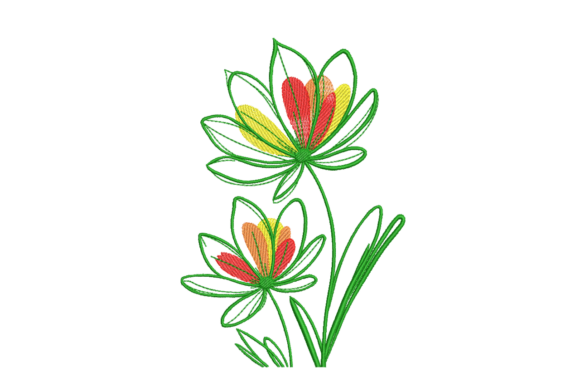
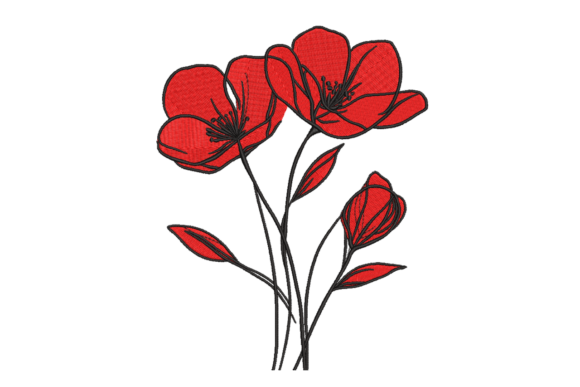
The first thing that stands out is the mood. Red Sketch Flowers does not try to be delicate or realistic. It embraces a loose, expressive style that feels hand-drawn and painterly at the same time. The blocks of red fill stitch create a vibrant pop that reads well from a distance, which is a huge advantage if you are making items for a craft fair booth or an Etsy listing where photos need to grab attention fast. The shape is balanced without being stiff, and the composition has enough negative space to keep it from feeling heavy. That is a relief because dense floral designs can sometimes look like a solid blob when stitched on soft fabrics.
This design naturally fits into the Single Flowers Plants category, but the sketch treatment elevates it beyond a simple botanical outline. It feels contemporary, a little romantic, and a bit rebellious all at once. If you are a small shop owner or an apparel decorator looking for a design that stands out from the standard satin stitch rose, this file offers something with genuine visual personality.
Real Project Test: A Custom Tote Bag for a Boutique
I used Red Sketch Flowers on a medium-weight canvas tote bag as a test run for a local boutique order. The customer wanted something that felt artistic but not fussy, and that could hold up to daily use. I hooped the bag with a tear-away stabilizer and ran the design at the recommended size for the machine. The fill stitching sewed out cleanly, and the sketch lines surrounding the red blocks remained crisp. The end result had a nice hand feel, not overly stiff or rough on the back. The boutique owner told me customers kept picking up the bag asking if it was hand-painted. That is the kind of reaction that builds brand trust and drives sales, especially for handmade product lines where perceived value is everything.
For custom apparel like a sweatshirt or a t-shirt, I would suggest testing a sample on a similar fabric first, especially if you are using a thick fleece or a textured knit. The bold red areas need a stable base to keep the stitches from distorting. On a smooth cotton tee, it works beautifully. On a fuzzy pullover, you might lose some of the sketch detail unless you pair it with a cutaway stabilizer. That is standard advice for any machine embroidery design with substantial fill, but it is worth repeating because the sketch lines are part of the charm here.
Where This Design Performs Best
In my experience, Red Sketch Flowers is versatile enough for several product categories, but it really excels on items where the bold red can take center stage. Think tote bag design, sweatshirt embroidery, pillow covers, and kitchen towels. It also works well for embroidered patch projects if you back it properly. For baby embroidery, the strong red might feel a little intense unless you are going for a retro or botanical theme. I would probably save it for toddler clothes or nursery decor where the contrast adds a playful pop rather than a sweet pastel look.
For holiday embroidery and personalized gift items, red is an obvious winner. I could see this design on a set of linen napkins for a wedding gift, or on an apron for a friend who loves cooking. The painterly style keeps it from looking too generic, which is a common complaint about mass-produced embroidery designs. If you are an Etsy seller trying to differentiate your small shop product line, this file gives you a distinctive look that photographs beautifully as both a finished product and a printable mockup for your listings.
Where You Should Be Careful
No design is perfect for every scenario, and Red Sketch Flowers has a few limitations worth noting. The most important one relates to hoop size. If you try to cram this into a small hoop, the sketch lines can become too tight and the fill stitching may bunch up. I recommend checking the file dimensions before you commit, especially if you are working with caps or curved surfaces. For cap embroidery, the bold red blocks may sit well on the front panel, but the sketch detail around the edges could get lost in the curve. Test it on a scrap cap first.
Textured fabrics like linen, burlap, or heavy knits can also be tricky. The fill stitching needs a smooth foundation to maintain the sketch effect. On rough fabric, the red blocks may appear uneven or the needle may push the threads into the weave. Thinner fabrics, such as lightweight t-shirts or silky blouses, require careful stabilizer selection to avoid puckering. If the stitch density is high in certain areas, and you do not have the exact numbers from the file description, I suggest running a test on a similar fabric to see how it behaves. The same goes for thread colors. The design uses a bold red, but if you want to customize it for a different product line, test the contrast with your chosen thread brand because not all reds are created equal.
Dark fabric is another consideration. The sketch style relies on contrast between the red fill and the background. On black or navy material, the red will still pop, but the fine running stitch lines might not show as clearly unless you adjust the thread color or add a subtle outline. For commercial embroidery jobs where speed matters, this might mean an extra color change, so factor that into your pricing.
Visual Appeal and Customer Trust
When a customer sees Red Sketch Flowers on a finished product, the first thing they notice is the artistic quality. It does not look like a generic clipart converted into stitches. It looks like someone cared about the design. That translates directly into handmade presentation and brand consistency. If you are building a boutique line or a craft business, every item you produce reinforces your reputation. A design like this helps you stand out as a maker who values originality.
The giftability factor is also high. People buy embroidered items for birthdays, anniversaries, housewarmings, and holidays. A tote or a pillow with this design feels special because it looks like a piece of art. That emotional response drives buyer engagement and often leads to repeat customers. For Etsy sellers, the visual impact in product photos can make the difference between a click and a scroll-past.
Practical Designer Notes Before You Sew
Before you load this embroidery file into your machine and start a production run, take a few minutes for prep work. Here is a checklist I follow with every new design, and Red Sketch Flowers is no exception.
- Test on scrap fabric first. Use the same fabric type as your final product. Check the stitch-out for any skipped stitches or distortion in the sketch lines.
- Review the thread color. If the file specifies a particular red, test it against your thread brand. If no color is listed, pick a vibrant red that matches the painterly feel. A dull red will kill the effect.
- Check the stitch density. If you do not have exact numbers from the product description, run a small sample and feel the back of the fabric. Too dense can make the fabric stiff. Too loose can make the fill look patchy.
- Confirm hoop size. Make sure your hoop can accommodate the full design without crowding the edges. A too-tight fit can cause thread breaks or uneven tension.
- Inspect small details. The sketch lines are the selling point. If they are too thin or too thick after stitching, adjust your needle or stabilize differently.
- Test in black and white mockups. Convert the design to grayscale on your screen to see if the contrast holds up. If the lines disappear in grayscale, they may also disappear on dark or busy fabrics.
- Compare light and dark fabric backgrounds. Stitch a sample on both. The red fill will behave differently depending on the base color.
- Use proper stabilizer. For most woven fabrics, a medium-weight cutaway works well. For knits, consider a no-show mesh or a sticky stabilizer for hoopless machines.
- Check licensing before selling. Whether you plan to sell finished products or the digital embroidery file itself as a design asset, confirm the terms. Some files allow commercial use, some require a separate license. Do not assume.
Final Thoughts on Red Sketch Flowers
After working with Red Sketch Flowers on multiple projects, I can say it is a design that rewards preparation. It brings a fresh, artistic energy to the Embroidery category, and it does not rely on tired floral clichés. The bold red fill and sketch style give it a signature look that works beautifully on tote bags, sweatshirts, pillows, and personalized gifts. It is not ideal for tiny hoops or heavily textured fabrics without careful testing, but that is true of most good applique design and fill stitch files.
If you are a creative entrepreneur or a hobbyist looking for a design that feels both modern and timeless, add this one to your collection. Just do the test stitch first, and let the red speak for itself.