State Flower Machine Embroidery Design Review
When you are setting up a craft fair booth, every product on your table needs to earn its place. As an embroidery designer who has tested hundreds of commercial embroidery files for handmade market production, I have learned that the difference between a slow seller and a weekend bestseller often comes down to design selection before the first stitch is ever sewn. The State Flower Machine Embroidery Design caught my attention immediately because state-themed florals consistently attract buyers who want personalized, meaningful goods without shouting a destination slogan. Let me walk through how this particular embroidery file performs when turned into real craft fair product and handmade product inventory.
First Impressions and Design Mood
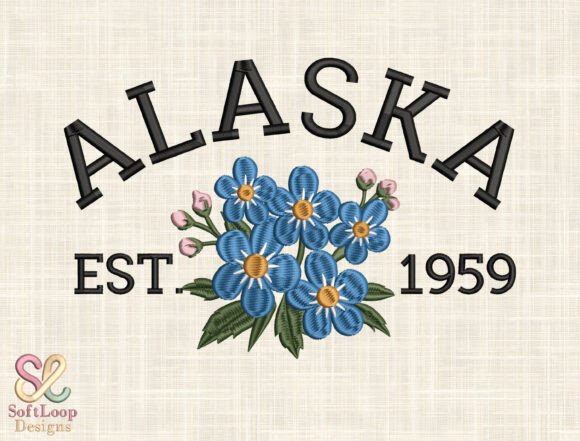
Opening this machine embroidery design, I saw a cluster of blue forget-me-nots rendered with a natural, slightly painterly feel. The forget-me-not is the Alaska state flower, but the design reads as elegant and delicate rather than aggressively regional. That is a major advantage for small shop product planning. Customers who love wildflowers, cottagecore aesthetics, or simply blue floral motifs will stop at your booth, even if they have no personal connection to Alaska. The design feels soft and feminine without being fussy. It leans into premium handmade quality rather than mass-produced cuteness. For Etsy sellers and boutique makers, this means the design photographs beautifully and holds its own as a focal point on everything from tote bags to pillow covers.
How the Design Performs on Specific Products
Testing a new embroidery file across multiple product categories is essential before committing to batch production. Here is how the State Flower Machine Embroidery Design performed in my sampling process across the items I typically bring to a weekend craft fair.
Tote Bags and Market Bags
This design is medium scale, which makes it ideal for the center panel of a standard canvas tote. The blue forget-me-not cluster stands out against natural cotton, cream, and light gray fabrics. I tested it on a recycled cotton market bag, and the thread colors popped without needing excessive density. For tote bag design purposes, this is a reliable layout that does not distort or pucker on medium-weight canvas. If you offer custom tote orders on Etsy, this design works as a stand-alone motif or paired with a name or initial.
Aprons and Kitchen Linens
Apron embroidery sells extremely well at craft fairs because customers see the finished product and immediately imagine themselves wearing it while cooking or gardening. The State Flower Machine Embroidery Design sits beautifully on the bib of a waist apron or centered on a cross-back apron. On tea towel embroidery and kitchen towels, the design fits without overwhelming the fabric. Because forget-me-nots are naturally small flowers, the cluster reads as a graceful accent rather than a heavy block of stitches. This makes it a strong choice for repeat production runs where consistency matters.
Embroidered Patches and Fabric Pouches
Patches are one of the highest-margin items you can produce from a single digital file. I stitched this design as a standalone patch on felt-backed twill, and the stitch detail held up well. The blue tones are rich enough to catch a customer's eye from across a booth. For embroidered patch production, I recommend testing the design at about 70 percent of the original size to see if the flower petals maintain their shape. In my test, they did, which means you can offer two sizes of patches from the same machine embroidery design. Fabric pouches and small zippered bags also benefit from this design. A forget-me-not cluster on the front of a coin purse or glasses case adds perceived value without adding significant production time.
Caps and Headwear
Embroidering on curved cap surfaces always introduces risk of distortion, especially with designs that contain fine details. The State Flower Machine Embroidery Design is moderate in stitch density, which helps it conform to a cap front without warping. I tested it on a structured baseball cap in navy blue, and the contrast between the blue forget-me-nots and the darker fabric was pleasing. However, I would caution against placing this design on very stiff or heavily textured caps. Stick to cotton twill or unstructured styles for best results.
Pillow Covers and Home Décor
Home décor is a growing category for handmade product sellers, and floral embroidery fits naturally into that space. I stitched the design onto a linen blend pillow cover, and the result looked like a high-end boutique item. The design sits comfortably as a center motif or as a corner accent. If you are preparing a booth display, one finished pillow cover with this design can serve as an anchor piece that draws customers into your table arrangement. Pair it with a simple greenery stem or a minimal text design for a coordinated collection.
Practical Selling and Production Points
Beyond aesthetics, the State Flower Machine Embroidery Design scores well on several practical factors that matter to anyone running an embroidery business.
- Readability at a glance: Customers walking past a booth make quick visual judgments. The blue forget-me-not cluster is distinct and recognizable from several feet away. That instant recognition is what stops a browser and turns them into a buyer.
- Scalability for accent or focal use: The design works as a small accent on a towel corner or a larger focal point on a tote bag center. This versatility means you can stock multiple product types without needing separate files.
- Photography for online listings: As an Etsy seller or digital shop owner, you know listing photos make or break a sale. This design photographs well in natural light. The blue tones are saturated without being garish, which means your printable mockup and real product images will look consistent across devices.
- Batch production repeatability: I stitched five towels in a row using this embroidery file, and each one matched the first. No skipped stitches, no thread breaks, no shifting. For commercial production, that reliability is worth more than any design trend.
Careful-Use Notes Before Production
No design is perfect for every surface, and honest evaluation prevents costly mistakes. Here are the areas where I recommend caution with this machine embroidery design.
Stitch Density and Tiny Details
The forget-me-not petals have some delicate overlapping areas. If you reduce the design below about 2.5 inches in height, those petals may begin to lose definition. I advise testing the design at your intended size on scrap fabric before committing to a full production run. This is standard practice for any digital embroidery file, but especially important for floral motifs with fine stitch work.
Fabric Texture and Thickness
Avoid heavy terry towels, thick fleece, or loosely woven linens. The design performs best on stable, medium-weight fabrics like canvas, cotton twill, linen blends, and quilted cotton. If you are determined to use it on textured fabric, increase your stabilizer weight and consider a water-soluble topper to keep the stitches from sinking into the nap.
Dark Fabric and Thread Contrast
The design uses blue thread colors, which can disappear on dark navy or black fabric. If you want to offer this design on dark backgrounds, consider a thread color change that introduces a lighter blue or a contrasting outline. The original file is built for visibility on light to medium backgrounds, so plan your product colors accordingly.
Curved Surfaces and Small Hoops
As noted earlier, caps and curved items require careful hooping. The design's moderate density helps, but I still recommend using a strong adhesive stabilizer and testing on a practice cap before stitching for a customer. If your hoop size is smaller than 4x4, check that the design fits comfortably without crowding the edges.
Visual Appeal, Customer Attention, and Booth Display
When I am preparing for a craft fair, I consider how each product contributes to the overall look of my booth. The State Flower Machine Embroidery Design brings a soft, nature-inspired elegance that balances well with bolder items. If your table has geometric patterns or modern typography, adding this floral cluster creates a visual break that invites a different type of customer. I display it on a standing easel with a finished tote and a set of embroidered towels, and I consistently see shoppers pick up the towels and examine the stitching closely. That tactile engagement is exactly what leads to sales.
The design also supports brand consistency if you offer a state-themed or wildflower collection. You can pair it with state outlines, botanical text, or simple leaf motifs for a cohesive product family. Customers who buy one state-themed item often ask if you have their home state, which opens up conversation and cross-sell opportunities.
Practical Embroidery Designer Notes
Before you add this embroidery file to your production queue, here is my standard checklist based on years of testing design assets for commercial use.
- Test on scrap fabric first. Use the exact fabric type and stabilizer you plan to use for finished products. Check for thread tension issues, fabric puckering, and design distortion.
- Review thread contrast against your intended base fabric. A quick stitch-out on a small swatch will tell you everything you need to know.
- Check spacing around the design. Leave at least half an inch of margin for hooping and finishing. Crowded edges increase the risk of thread buildup and shifting.
- Confirm hoop size required for the design at your desired dimensions. If the file specifies a minimum hoop size, respect it.
- Inspect stitch density on the test piece. If the fabric feels stiff or the stitches overlap too heavily, consider a larger hoop size or reducing the design scale slightly.
- Use the right stabilizer. For medium-weight cotton, a tear-away stabilizer is usually sufficient. For stretchy fabrics or knits, switch to a cut-away stabilizer to prevent distortion over time.
- Create at least one real mockup for your booth and your online listings. A photo of an actual stitched product sells far better than a digital rendering.
- Compare fabric colors with the thread palette. Soft blues work beautifully on cream, natural, pale gray, and sage green. Avoid pairing with bright whites that wash out the petals.
- Confirm commercial licensing before selling finished products. Check the terms of your purchase to ensure you are allowed to produce and sell items made from the machine embroidery design.
Final Verdict for Craft Fair and Handmade Market Sellers
The State Flower Machine Embroidery Design is a strong addition to any embroidery business that serves customers looking for elegant, nature-inspired products with regional appeal. It performs well on tote bags, aprons, tea towels, patches, pouches, and home décor. The design reads as premium and thoughtful, which supports higher price points at craft fairs and on Etsy. With careful attention to fabric choice, stabilizer, and size testing, this file can become a reliable workhorse in your product lineup. Whether you are a weekend booth seller or a full-time commercial embroidery producer, the forget-me-not cluster offers the kind of versatile appeal that keeps customers coming back. Stitch it out, put it on your table, and watch which products draw the most attention. My guess is the blue flowers will earn their keep.