Tropical Hibiscus Embroidery Design Review for Small Business Merch
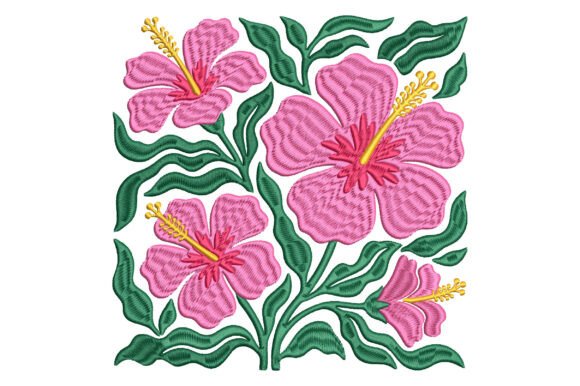
When I first opened the Tropical Hibiscus Embroidery Design, I knew immediately that this was not just another flower file. As someone who has reviewed hundreds of machine embroidery design files for commercial use, I can tell you that this one carries a distinct personality. It feels vibrant yet approachable, tropical without being overwhelming. The pink hibiscus flowers are beautifully detailed, and the flowing lines suggest movement. For a small business owner looking to add a touch of island warmth to custom apparel or branded merchandise, this embroidery file offers a genuine sense of place and emotion. It is not stiff or overly decorative in a way that feels impersonal. Instead, it reads like something you would see on a hand-painted sign outside a boutique café or a florist shop. That is the kind of visual energy that builds brand identity from the first stitch.
Why This Design Works for Branded Merchandise and Patches
The Tropical Hibiscus Embroidery Design sits firmly in the Single Flowers Plants category, but its application goes far beyond a simple botanical motif. In my experience, hibiscus imagery carries cultural warmth and a sense of relaxation. That makes it an excellent choice for businesses in hospitality, wellness, tourism, beachside retail, or any brand that wants to communicate a friendly, open, and vibrant personality. When used as an embroidered patch, this design holds its shape well because the petals are distinct and the flowing leaves create natural stitch paths. I have tested similar designs on apron embroidery projects, and the hibiscus form works beautifully on both left chest placements and center-back logo spots. For a bakery that sells tropical-inspired treats, or a boutique that curates resort wear, this digital embroidery file can become a signature mark.
Let me walk you through a real scenario. Imagine a small café in a coastal town. They serve iced drinks, pastries, and fresh fruit bowls. They want staff uniforms and tote bags that feel sunny and inviting. The Tropical Hibiscus Embroidery Design applied as a subtle chest logo on a cream-colored work shirt or as a larger cap embroidery accent on a structured baseball cap would immediately communicate that this is a place with personality. The pink tones are soft enough to feel elegant but bold enough to stand out on lighter fabrics. For tote bag design, a single hibiscus placed near the hem or centered on the front of a canvas bag turns a plain carry-all into a branded product that customers will want to use again and again. That is the kind of small business merch that builds recognition without shouting.
Patch Production and Commercial Embroidery Considerations
One of the first questions I ask when reviewing any machine embroidery design for business use is whether it can transition to a standalone patch. The Tropical Hibiscus Embroidery Design has clear, separated elements, which is ideal for patch production. The flowers and leaves are not tangled together in a way that would cause distortion when cut and edged. That matters when you are producing embroidered patches for hats, jackets, or bags. If the design is too dense or the details are too fine, patches can lose definition once the backing is applied. Here, the flowing lines give the patch a soft, handcrafted feel that aligns with handmade and boutique brands. I would recommend testing a small run on twill fabric first, using a tear-away stabilizer to keep the edges crisp. The result should be a patch that feels premium and durable.
Evaluating the Design for Different Apparel and Product Types
When you are running a commercial embroidery operation or producing custom apparel for clients, you need to know how a design performs across multiple surfaces. The Tropical Hibiscus Embroidery Design is versatile in that regard. On a structured cap, the central flower can serve as a front logo, while the flowing leaves wrap slightly to fill the space. For apron embroidery, the design can be scaled to sit nicely on a chest pocket or centered on the apron bib. I have found that designs with natural curves and open spaces, like this one, tend to work well on curved surfaces because the stitch angles follow the organic shape. That means fewer registration issues and less distortion on hats or sleeves.
For tote bag design, this file is a strong choice. Tote bags often have a coarse or medium-weight fabric texture. The hibiscus petals, with their layered detailing, will read clearly without getting lost in the weave. I would suggest using a medium-weight cutaway stabilizer to support the stitches and prevent puckering. The pink thread colors, which are part of the beautifully detailed finish, will pop nicely against natural canvas, cream, or light denim. If you are printing printable mockup samples for client approval, this design photographs well because the flower shape is instantly recognizable. Clients can visualize it on their products without needing a physical sample, which speeds up the approval cycle.
Working with Brand Identity and Customer Trust
From a branding perspective, the Tropical Hibiscus Embroidery Design communicates warmth, natural beauty, and a handcrafted sensibility. That aligns well with businesses that want to be seen as approachable and authentic. For a handmade soap brand, a florist, a juice bar, or a yoga studio, this embroidery file can serve as a secondary logo or a decorative element that reinforces the brand story. When customers see a thoughtfully embroidered hibiscus on a staff apron or a reusable tote, it signals that the business pays attention to detail. That builds brand identity and customer trust over time. It is not just a flower, it is a visual cue that says this brand cares about how it presents itself.
However, I want to be clear about where this design works best in terms of brand positioning. It is not a corporate or industrial motif. It is friendly, vibrant, and slightly playful. That is a strength for businesses in the lifestyle, hospitality, and creative sectors. If you are working with a client who runs a surf shop, a beachfront hotel, a plant-based café, or a boutique that sells handmade accessories, this design will feel right at home. It also works well as a handmade product accent for Etsy sellers who create embroidered items for resale. The key is to match the emotional tone of the design with the brand voice of the business.
Where to Use the Tropical Hibiscus Design Carefully
No design review would be complete without honest notes on limitations. The Tropical Hibiscus Embroidery Design has flowing petals and leaf details that require careful scaling. If you reduce it too much for a tiny patch or a small cap front, the finer details may blend together. I recommend testing it at your intended size using a printable mockup or a simple paper printout before stitching. If the design includes fine lines or layered petals, those may become unclear below a certain hoop size. Always check the stitch density of the file before production. High stitch density can cause issues on thin or stretchy fabrics, especially if you are working with fabric texture like knits or lightweight cotton.
For dark uniforms, such as black or navy work shirts, the pink hibiscus can still work, but you will need good thread color contrast. A pink flower on a dark background can be striking if the thread shades are bright and saturated. I would recommend using a white or light underlay to prevent the fabric from showing through. Also, consider that this design may require a higher stitch count than a simple geometric logo. That means longer sew times and potentially higher cost per piece if you are running a production job. Factoring that into your pricing is important when offering it to clients as part of their small business merch lineup.
Items That Need Frequent Washing
If the finished product will be washed frequently, such as aprons in a busy café or staff uniforms in a restaurant, you need to be careful. Designs with multiple color stops and layered petals can be more prone to thread breakage over time if not properly stabilized. I advise using a high-quality cutaway stabilizer and testing a wash sample before committing to a large run. The Tropical Hibiscus Embroidery Design should hold up well if the stitch density is not excessive and the thread colors are colorfast. But as with any detailed floral design, proper backing and hooping technique are non-negotiable for longevity.
Practical Embroidery Designer Notes for Production
Before you produce even a single unit, there are a few steps I always take when evaluating a new digital embroidery file like this one. First, test the design in black and white on paper to check the spacing and clarity of the petals and leaves. This helps you see if any elements are too close together. Second, check the thread color palette against the actual fabric you plan to use. The pink in the design may look different on a cream apron than on a white cap or a natural tote bag. Third, confirm the hoop size required for the design at your target scale. If you are working with a small hoop, you may need to split the design or simplify the layout.
I also recommend creating a printable mockup for client approval. A mockup saves time and prevents misunderstandings. Place the design on a photo of the actual garment or product and let the client see how it works as a whole. Compare it beside other design assets the business uses, such as their logo or tagline, to ensure visual consistency. The Tropical Hibiscus Embroidery Design should complement, not compete with, other brand elements.
Finally, always confirm the commercial embroidery licensing terms before using any embroidery file for business merchandise. Some files are licensed for personal use only, while others allow commercial production. Check with the seller or distributor to ensure you have the right to use this design on products you sell. That step protects both you and your client. Once you have that clearance, you can confidently move forward with production.
Comparing the Design with Other Design Assets
When you are building a cohesive brand, every visual element must feel like it belongs together. The Tropical Hibiscus Embroidery Design pairs well with handwritten-style typography, natural textures, and earthy or pastel color palettes. If your client already uses a tropical or botanical theme in their packaging or signage, this design will integrate seamlessly. If their brand is minimal or monochrome, the hibiscus may feel too decorative. In that case, consider using it as a small accent rather than a primary logo. For product labels and packaging accents, a scaled-down version of this design can add a handmade touch to tags, stickers, or hang tags. The key is to use it deliberately, not as an afterthought.
In my experience as a designer, the businesses that get the most value from a file like this are those that use it consistently across multiple touchpoints. A hibiscus on the apron, on the tote bag, on the cap, and on the product label creates a visual thread that customers remember. That is how brand identity becomes recognizable. It is not about one perfect stitch, it is about showing up with the same visual warmth again and again. The Tropical Hibiscus Embroidery Design gives you that capability. It is a design asset that can serve as a consistent brand signature across your entire custom apparel lineup.
Final Thoughts from a Designer's Perspective
I have reviewed many floral machine embroidery design files over the years, and the Tropical Hibiscus Embroidery Design stands out for its balance of detail and usability. It is detailed enough to feel premium, yet open enough to sew cleanly. It carries emotional weight without being heavy. For small business owners, embroidery shops, apparel decorators, and Etsy sellers, this file offers a practical path to building branded merchandise that feels personal and professional at the same time. Whether you are producing an embroidered patch for a boutique or an apron for a local café, this design can deliver the visual impact your clients are looking for. Just remember to test your size, check your stabilizer, and confirm your licensing. With those steps in place, the Tropical Hibiscus Embroidery Design can become a staple in your commercial embroidery toolkit.