Cute Spring Daisy Flower: A Seller's Review
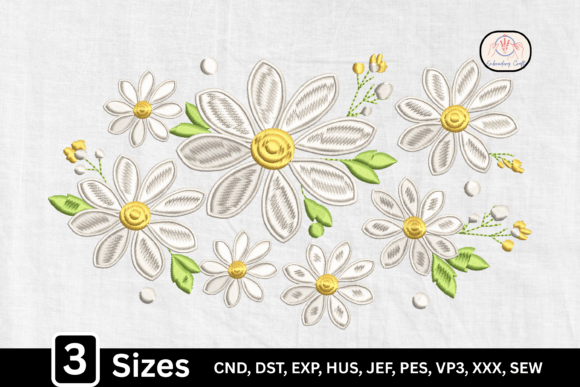
As an embroidery designer who has prepped countless booths for weekend craft fairs, I have learned to spot a winning machine embroidery design the moment I open the file. When I first loaded Cute Spring Daisy Flower into my software, I felt that familiar spark of possibility. This fresh and cheerful daisy embroidery design, featuring multiple white flowers with bright yellow centers, lands squarely in the sweet spot between timeless appeal and market-ready charm. Whether you are an Etsy seller building your handmade product lineup or a small shop product creator stocking up for spring shows, this embroidery file deserves a close look before you commit thread to fabric.
In this review, I will walk through how Cute Spring Daisy Flower performs across real craft fair product categories, where it sells best, what production pitfalls to watch for, and how to maximize its impact in your booth. Let us dig into the details that turn a pretty design into a reliable seller.
First Impression: Soft, Cheerful, and Booth-Ready
Right away, Cute Spring Daisy Flower reads as fresh, soft, and inviting. There is nothing cartoonish or overly kitschy here. The white petals and yellow centers give it a clean, almost farmhouse-meets-modern feel that works for both rustic markets and upscale boutiques. The overall mood is cheerful without being loud, which means it appeals to a broad customer base—from young mothers buying personalized gifts to older shoppers looking for home decor accents.
Because the design features multiple flowers arranged in a natural cluster, it offers versatility. It can function as a focal design on a tote bag or as a small accent on a cap or pouch. The white petals provide nice contrast against mid-tone fabrics, and the yellow centers draw the eye without overwhelming the composition. For a digital embroidery file in the Single Flowers Plants category, this is a strong entry.
Product Pairings That Sell: Where Cute Spring Daisy Flower Shines
Not every design performs equally across all product types. Based on my experience testing Cute Spring Daisy Flower for booth prep, here is where it excels:
Tote Bags and Market Bags
This is where Cute Spring Daisy Flower truly comes to life. A tote bag design featuring this daisy cluster sits beautifully on the front panel, especially on natural cotton or linen bags in cream, sage, or sky blue. The white flowers pop without competing with the fabric. Customers notice it immediately as they walk past your booth, and it makes for an easy impulse buy at the $18–$28 price point. I recommend hooping the design slightly off-center for a modern look, or centering it for a classic farmhouse feel.
Apron Embroidery
For apron embroidery, this design is a natural match. It adds a cheerful touch to kitchen aprons without feeling fussy. The multiple flowers fill the bib area nicely without requiring a massive hoop. I have found that customers gravitate toward aprons that feel both practical and pretty, and Cute Spring Daisy Flower delivers exactly that balance.
Tea Towel Embroidery
Tea towels are a staple of the handmade product world, and this daisy design fits them perfectly. Embroidered on a folded towel set or a single linen towel, it elevates a simple item into a gift-worthy piece. For tea towel embroidery, I recommend placing the design near the hem or in the lower corner for a subtle, elegant look. Customers buying for hostess gifts or housewarming presents often pick these up without hesitation.
Embroidered Patches
If you sell embroidered patch accessories, this design translates well into a sew-on or iron-on patch. The flower shapes are distinct enough that they remain readable at a smaller scale. Patches featuring Cute Spring Daisy Flower can be sold individually or applied to jackets, backpacks, and jean vests. This is an especially good option if you want to offer a lower-price entry point at your booth.
Pillow Covers and Fabric Pouches
For home decor, a pillow cover embroidered with this daisy cluster feels fresh and seasonal. I have had success pairing it with neutral throw pillows in linen or cotton blends. Small fabric pouches—the kind used for glasses, cosmetics, or tech accessories—also work well with this design as a small accent. The key is to size the design proportionally so it does not overwhelm the item.
Caps and Hats
Caps can be trickier because of the curved surface, but Cute Spring Daisy Flower can work here if you pay attention to placement. I suggest using the design as a front-center logo-style embroidery or as a side accent. Because the flowers are not too dense, they adapt reasonably well to the cap curve. However, I always recommend testing on a scrap cap first to confirm the stitch density does not distort on the curve.
Practical Production Notes for Batch Craft Fair Prep
When you are producing multiple units for a show, consistency is everything. Here are my practical notes for running Cute Spring Daisy Flower in production mode:
- Stitch density: The design appears to have moderate density, which is good. It should not be overly heavy, but check the file on your machine to ensure the petals do not become too thick. If the density feels high, consider using a lighter stabilizer or reducing the stitch count slightly in your software.
- Thread colors: The description mentions white flowers with yellow centers. Stick with a bright white or off-white for the petals and a warm golden yellow for the centers. Avoid stark bright white if you are stitching on cream fabric—go with a soft white instead.
- Hoop size: Confirm your hoop size before cutting fabric. If the design requires a larger hoop than you typically use for small items, plan accordingly. I recommend having multiple hoop sizes on hand for batch work.
- Stabilizer choice: For most applications—tote bags, towels, aprons—a tear-away stabilizer works well. For stretchy fabrics or caps, use a cut-away stabilizer to prevent distortion. Always test a sample before running a batch.
- Fabric texture: Smooth fabrics like cotton, linen, and twill show this design best. Heavily textured fabrics may cause the white petals to lose clarity, especially if the weave is loose.
Careful-Use Notes: What to Watch For
No design is perfect for every surface. Here are the caution points I have identified with Cute Spring Daisy Flower:
- Dense stitch areas: If the centers of the daisies are filled densely, they may cause puckering on lightweight fabrics. Test on your chosen material and adjust if needed.
- Tiny details: If you resize the design to fit a very small hoop or patch, the individual petals may lose definition. Avoid shrinking it below the recommended minimum size.
- Thick fabric: On thick towels or canvas, the design may feel stiff if the stitch count is high. Use a lighter weight thread or a smaller size to keep the embroidery soft.
- Curved cap surfaces: As mentioned, test on a cap first. The design may need slight repositioning to avoid distortion on the curve.
- Dark fabric: White thread on dark fabric can sometimes appear stark. If you are stitching on black or navy, consider using a slightly warmer white or adding a subtle outline to define the petals.
- Small lettering: If you plan to combine this design with text or names, make sure the lettering is large enough to read. Small script may get lost next to the flower shapes.
Visual Appeal, Photography, and Booth Display
How a design looks in photos is almost as important as how it looks in person. For Etsy seller listings and social media posts, Cute Spring Daisy Flower photographs beautifully. The white petals catch natural light well, and the yellow centers add a pop of color that draws the eye. I recommend creating a printable mockup or a styled photo with a tote bag and fresh flowers to reinforce the spring theme.
In your craft fair booth, display items featuring this design at eye level. A tote bag hanging from a hook or an apron draped over a display rack will catch attention from several feet away. Because the design is soft and cheerful, it pairs well with botanical props, wooden crates, and neutral tablecloths. Customers often stop to touch the fabric, and that tactile engagement often leads to a sale.
The design also works well as a design asset for your marketing. Use it in your digital embroidery file previews, on your Etsy seller banners, and in your booth signage. Consistent visual branding across your handmade product line builds trust and recognition.
Final Designer Checklist Before Production
Before you commit to a full production run for your next craft fair, run through this checklist:
- Test the design on scrap fabric that matches your intended product material. Check for thread breaks, puckering, and overall appearance.
- Review thread contrast against your fabric colors. White petals show best on mid-tone or pastel backgrounds. Test on at least three different fabric colors.
- Check spacing and placement. Make sure the design sits proportionally on your product. Use a placement tool or template to avoid off-center results.
- Inspect stitch density in your software. If any areas look too dense, consider reducing the stitch count or using a lighter stabilizer.
- Use the right stabilizer for your fabric type. Tear-away for stable fabrics, cut-away for stretch or caps.
- Create at least one real mockup of each product type you plan to sell. Photograph it for your listings and bring it to the booth as a sample.
- Compare fabric colors to the thread colors in natural and artificial light. What looks good in your studio may look different under market lights.
- Confirm commercial embroidery licensing before selling finished products. Check the terms of your embroidery file purchase to ensure you have the right to sell items made from the design.
Overall Verdict: A Reliable Booth Builder
Cute Spring Daisy Flower is exactly the kind of machine embroidery design that earns its keep in a craft fair booth. It is versatile, appealing, and practical to produce in batches. The white flowers and yellow centers create a look that feels both timeless and fresh, and customers respond well to that combination. Whether you stitch it onto tote bags, aprons, tea towels, or pillow covers, this design has strong selling potential for spring markets, gift fairs, and handmade boutique events.
My advice is simple: order a sample, run your tests, and if the stitch-out meets your standards, add it to your production rotation. With proper preparation and thoughtful product pairings, Cute Spring Daisy Flower can become a reliable part of your small shop product lineup for seasons to come.