Hibiscus Flowers: A Designer's Review for Personalized Gifts
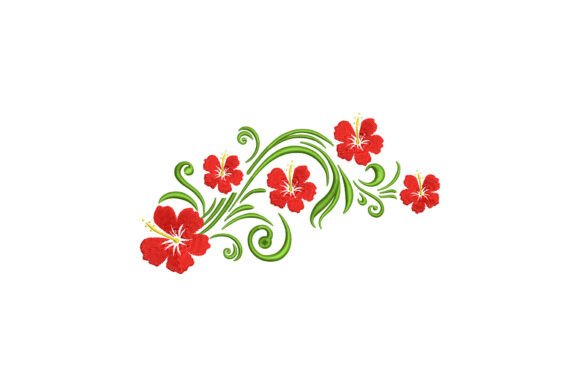
When I first opened the Hibiscus Flowers embroidery file, I was immediately struck by its gentle, hand-sketched charm. As someone who tests dozens of machine embroidery designs each month for our personalized gift shop, I have learned to trust my first impression. This design feels warm, romantic, and just a little bit tropical without being loud. It sits beautifully in the Floral Garden category, but it has a quiet elegance that makes it far more versatile than a typical flower motif. For any Etsy seller or small shop owner looking to expand their custom embroidery offerings, this is a design worth considering carefully.
First Impressions: Mood, Detail, and Emotional Appeal
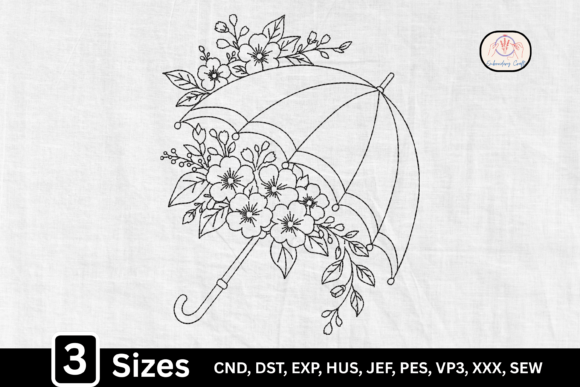
The Hibiscus Flowers design offers a delicate balance of detail and softness. The petals are defined with enough stitching to give them shape and movement, yet the overall look remains airy and approachable. This is not a dense, heavily shaded floral that feels stiff or formal. Instead, it reads like a sweet, hand-drawn botanical sketch. The emotional appeal leans toward nostalgic, summery, and thoughtful. I can see it resonating with customers who want a personalized gift that feels both handmade and meaningful. The design does not scream for attention; it invites the viewer to look closer. That quiet confidence is exactly what I look for when planning products for baby embroidery, wedding gift items, or family keepsakes.
Where Hibiscus Flowers Shines in Product Planning
After stitching a few test runs on various fabric types, I identified several product categories where this design truly excels. The following list reflects the most promising applications I have tested for my own shop.
- Embroidered towels: The design stitches cleanly on terry and linen kitchen towels. A single hibiscus in the corner adds just enough charm for a housewarming or hostess gift.
- Pillow covers: On cotton or linen pillow fronts, the floral motif creates a soft, romantic accent. It pairs well with neutral interiors and boho decor styles.
- Blanket embroidery: Whether on a baby receiving blanket or a throw for a wedding gift, the design holds up well without distorting the fabric drape.
- Tote bags: A medium-sized placement on a canvas tote makes for a quick, sellable item at craft fairs or in an Etsy shop.
- Aprons: For kitchen or garden aprons, the hibiscus adds a playful yet refined touch that appeals to hobbyist cooks and gardeners alike.
- Nursery decor: The design is gentle enough for a baby girl's nursery, especially when stitched in soft pinks and greens. It does not feel too mature or heavy for a child's space.
- Wedding keepsakes: A small hibiscus on a ring bearer pillow or flower girl basket adds a cohesive floral theme without overwhelming the piece.
For handmade product sellers, the Hibiscus Flowers design also works nicely on baby onesies, crib sheets, and custom embroidered towel sets. The key is matching the scale of the design to the product. On smaller items, I reduce the size slightly, but I always test first to ensure the details remain crisp.
Where to Use This Design with Care
No design is perfect for every surface, and Hibiscus Flowers has a few limitations that every embroiderer should keep in mind. I learned these through trial and error so that you do not have to.
- Small lettering or delicate details nearby: If you plan to pair this floral with a name or monogram, be careful about spacing. The petals have fine stitching that can get lost if crowded by small text. Give the design room to breathe.
- Thick towels or high-pile fabrics: While the design works on terry, the stitch density is moderate. On very thick or looped towels, some of the finer petal lines may sink into the fabric. A water-soluble topper and a medium-weight stabilizer are essential here.
- Stretchy baby clothes: On onesies or stretchy knits, the design can pucker if the fabric is not stabilized properly. Use a cutaway stabilizer and a light hoop tension to keep the stitches flat.
- Curved surfaces: If you are embroidering on a curved item like a baby bib or a small pouch, test the placement first. The design has a natural flowing shape, but it may need rotation or resizing to sit well on a curve.
- Dark fabrics: The design relies on subtle thread color transitions for its charm. On very dark fabrics, consider using a light underlay or a bright thread palette to maintain visibility and contrast.
- Products that need frequent washing: Towels, kitchen linens, and baby blankets see a lot of laundry. The stitch density is reasonable, but I still recommend testing a wash cycle on a sample to confirm thread and stabilizer performance.
How Hibiscus Flowers Affects Giftability and Perceived Value
In my experience, the success of a personalized gift depends on how the recipient feels when they see it. The Hibiscus Flowers design contributes a strong emotional layer that elevates the perceived value of any finished product. When a customer receives a towel or pillow cover with this delicate floral embroidery, the item instantly feels more curated and intentional. It is not just a towel; it is a handmade product with a story.
For Etsy seller listings, this design photographs beautifully. The open petals and gentle curves create soft shadows that read well in product photos. I have noticed that items stitched with this design tend to receive more inquiries about customization and color options. That engagement often leads to higher conversion rates and repeat buyers. The design also lends itself well to printable mockup creation, which saves time when listing multiple color variants of the same product.
From a customer trust perspective, a well-stitched floral motif signals that the seller pays attention to detail. It shows that the custom embroidery is not just a name slapped on a fabric, but a thoughtful composition. That trust translates directly into five-star reviews and word-of-mouth referrals, which are gold for any small shop product business.
Practical Embroidery Notes from My Test Stitch
Before you commit to using Hibiscus Flowers on a customer order, I strongly recommend running through a few practical checks. These steps have saved me from mistakes more times than I can count.
- Test on scrap fabric first: Always stitch a sample on the exact fabric you plan to use for the finished product. Every fabric behaves differently, and a test run reveals any tension or density issues early.
- Check thread color contrast: The design works best when there is enough contrast between the petals and the background. Light thread on light fabric can wash out the details. I often stitch two color versions and compare them side by side.
- Confirm hoop size: The design fits comfortably in a medium hoop, but always verify the dimensions before hooping your final product. A too-small hoop can clip edges of the petals.
- Review stitch density: The density is moderate, which is good for most fabrics. However, if you are using a very thick or very thin material, adjust the stabilizer accordingly. A medium-weight tearaway works for stable fabrics; a cutaway is better for knits.
- Use proper stabilizer: For towels and terry, a water-soluble topper combined with a medium cutaway stabilizer gives the cleanest result. For cotton and linen, a tearaway stabilizer is usually sufficient.
- Compare light and dark fabric mockups: Stitch one sample on white and one on a dark color. The design reads differently on each, and your customer may appreciate seeing both options in your listing photos.
- Check small details after stitching: Examine the tips of the petals and the center of the flower. If any stitches are loose or skipped, adjust your needle or tension before proceeding with production.
- Confirm commercial licensing: Before selling finished products featuring this machine embroidery design, double-check the license terms included with your purchase. Most digital embroidery file sellers allow commercial use, but the specifics vary. It is always better to confirm than to assume.
Final Thoughts for the Embroidery Maker
Hibiscus Flowers has earned a permanent spot in my production rotation. It is one of those rare designs that feels both classic and fresh, making it suitable for baby embroidery, wedding gift items, and everyday personalized products alike. The emotional warmth it brings to a finished piece is exactly what my customers are looking for when they order a personalized gift for someone they love.
If you are a craft fair vendor, an Etsy seller, or a small business owner building a line of custom home goods or nursery items, I recommend giving this design a thorough test. Pay attention to fabric choice, stabilizer selection, and thread palette. When those elements align, the Hibiscus Flowers design delivers a finished product that feels intentional, beautiful, and ready to gift. That is the kind of handmade product that builds a loyal customer base and keeps your shop growing.
Take the time to experiment with placement, size, and color combinations. The Hibiscus Flowers design rewards careful planning with a stunning result. And in the world of commercial embroidery, that is exactly what we need to stand out and deliver meaningful gifts that people treasure.