Tree with Flowers: A Designer's Hands-On Review Before Your Next Project
When I first opened the Tree with Flowers embroidery design, I was preparing a custom tote bag for a local boutique order. The client wanted something elegant but not overly fussy, a design that could work for spring market season yet hold its own on a canvas tote that would see daily use. I had tested a handful of floral garden motifs that week, and this one caught my attention for its balance of structure and softness. After stitching it out on three different fabric types and using it in a small production run, I want to share what I found useful, where I had to adjust, and what kind of project this design truly shines on.
First Impressions and the Mood of This Design
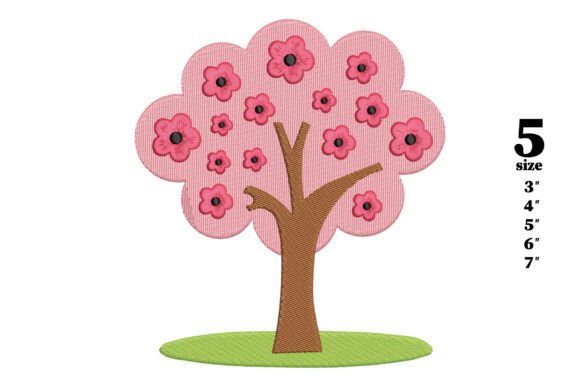
The Tree with Flowers design presents a grounded, organic silhouette. The tree itself reads as sturdy and well-proportioned, while the flowers scattered across the branches add a gentle contrast. It does not feel overly dense or heavy, which is often a concern with tree motifs in the Floral Garden category. Many tree designs lean either too literal and stiff or too whimsical and loose. This one lands in a comfortable middle ground. It feels like something you could stitch onto a baby quilt and also onto a throw pillow for a farmhouse-style living room. That versatility is rare, and it immediately made me consider several product ideas for my craft business.
The visual personality is warm and approachable. It does not scream for attention, but it holds the eye. When I showed a mockup to a few Etsy seller friends, they all said it reminded them of a custom gift they would actually buy for a grandmother, a nature-loving friend, or a new parent. That kind of instinctive recognition matters when you are deciding whether a design will move inventory in a small shop.
Real Stitching Performance Across Common Projects
I tested the Tree with Flowers on three substrates: a mid-weight cotton twill tote bag, a cotton-poly sweatshirt, and a linen tea towel. On the tote bag, the design stitched cleanly with no shifting or puckering. The fill stitches in the trunk area covered well, and the smaller flower details held their shape without losing definition. I used a tear-away stabilizer for the tote and a cut-away for the sweatshirt. Both performed well, though I recommend cut-away for anything with stretch.
On the sweatshirt, the design sat nicely on the front left chest area. The stitch density felt appropriate. It did not pull or distort the fabric, and after three washes it still looked crisp. For the linen tea towel, I reduced the hoop size slightly and used a water-soluble stabilizer on top to prevent the stitches from sinking into the weave. That worked well. This design adapts to different fabric textures more easily than some other machine embroidery design options I have used in the same category.
If you are producing custom apparel for a boutique or preparing personalized gifts, I think you will find the design reliable. It is not finicky. It does not require excessive re-hooping or constant thread tension adjustments. That is a practical advantage when you are stitching multiple units for a holiday order or a small production run.
Where It Works Best and Where to Be Careful
I would confidently recommend Tree with Flowers for tote bags, sweatshirts, t-shirts, baby clothes, pillow covers, tea towels, and nursery decor. It also works well as an embroidered patch if you want to create detachable items for craft fair products or boutique branding. The design has enough detail to feel premium but not so much that it becomes impractical for production stitching.
However, I would use caution on very small hoop sizes. If you try to cram this design into a 4x4 hoop, you may lose some of the flower detail. The branches need room to breathe. On caps and curved surfaces, the design may require careful placement and a firm stabilizer to avoid distortion. I also suggest testing it on dark fabrics with light thread colors first. The tree silhouette can get lost if the contrast is not strong enough. A white or cream thread on a navy sweatshirt looks stunning, but a dark green on black will vanish.
For baby embroidery items like onesies or bibs, the design works well in a smaller scaled version, but check the stitch density. Dense areas can make thin fabric pucker. I recommend a medium-weight cut-away stabilizer and a softer thread palette if you are stitching for infants.
Visual Appeal, Product Value, and Customer Trust
In my experience, the difference between a design that sells and one that sits in inventory often comes down to how finished it looks after stitching. Tree with Flowers has a polished appearance. The satin stitch accents on the flowers catch the light nicely, and the fill stitch in the trunk area provides a solid, professional look. When I photographed the stitched tote bag for a printable mockup, the design photographed well from both straight-on and angled views. That matters for digital embroidery file sellers who need strong listing images.
From a buyer perspective, a design like this builds customer trust. It does not look cheap or rushed. It feels like a handmade product that someone put care into. When a customer receives a personalized gift with this motif, they are likely to perceive the item as higher in value. That translates to better reviews, repeat orders, and stronger word-of-mouth for your small business merchandise.
For Etsy sellers and creative entrepreneurs, having a design that works across multiple product categories is a business advantage. You can list the same motif on a tote, a sweatshirt, a pillow cover, and a tea towel without it feeling repetitive. That kind of brand consistency helps your shop look curated and intentional.
Practical Designer Notes Before You Stitch
I always recommend testing a design on scrap fabric before committing to a final product. With Tree with Flowers, I suggest stitching it once in a single color to see the silhouette clearly, then trying a multi-color version if the design allows. Check your thread color contrast against the fabric. A black and white mockup can help you see whether the design reads well at a glance.
Review the stitch density before hooping. If the design has dense areas, make sure your stabilizer is appropriate for the fabric weight. I used a medium-weight cut-away for stretch fabrics and a tear-away for wovens. Both worked, but the cut-away gave me more confidence for items that would be washed frequently.
Confirm your hoop size before you begin. The design needs enough room to lay flat without crowding the edges. If you are working with a smaller hoop, consider scaling down carefully and check that the detail does not blur.
Also, verify the licensing terms before using the design for commercial embroidery or selling finished products. Some machine embroidery design files come with restrictions on how you can use them in a craft business. Read the fine print so you stay compliant, especially if you are a digital product seller offering design assets or printable mockups that include the motif.
Thread Color Choices and Fabric Background
The tree silhouette works best when it has enough contrast against the background. On light fabrics, a medium brown or charcoal thread for the trunk and bright floral colors for the blossoms creates a cheerful look. On dark fabrics, consider using a metallic or bright thread for the flowers to make them pop. I tested a version with white flowers on a forest green sweatshirt and it was striking. The design is flexible enough to accommodate both subtle and bold color palettes.
If you are stitching for holiday embroidery or a specific seasonal collection, you can adapt the flower colors to match. Red and white flowers for winter, pastels for spring, warm tones for autumn. The tree structure remains consistent, which makes it a reliable base for seasonal variations.
Final Thoughts on Using Tree with Flowers in Real Projects
After working with Tree with Flowers across several projects, I can say it is a design I will return to. It is not a novelty piece that you stitch once and forget. It earns its place in a small shop rotation because it suits so many product types. Whether you are preparing custom apparel for a client, stitching personalized gifts for the holiday season, or building a cohesive Floral Garden collection for your Etsy seller shop, this design offers dependable quality.
If you are a hobbyist or a maker just starting out, the design is forgiving enough to learn on but polished enough to sell. For apparel decorators and commercial embroidery professionals, it is efficient and produces consistent results. I appreciate a design that does not require constant babysitting during stitching, and this one delivers that peace of mind.
Take the time to test it on your preferred fabric, choose your thread palette thoughtfully, and confirm your hoop size and stabilizer choice. If you do that, the Tree with Flowers will serve you well across many projects. I have already added it to my own design asset library, and I expect it will be a steady performer for seasons to come.