Wildflower Meadow Bloom Collection
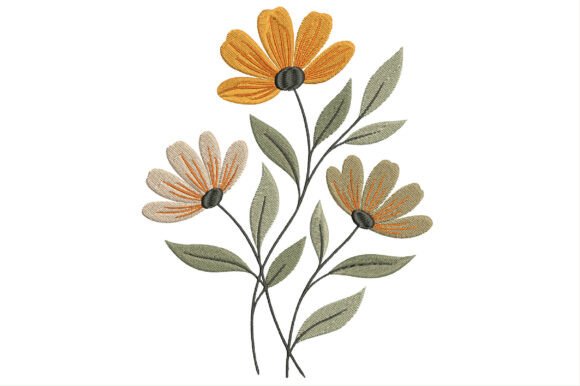
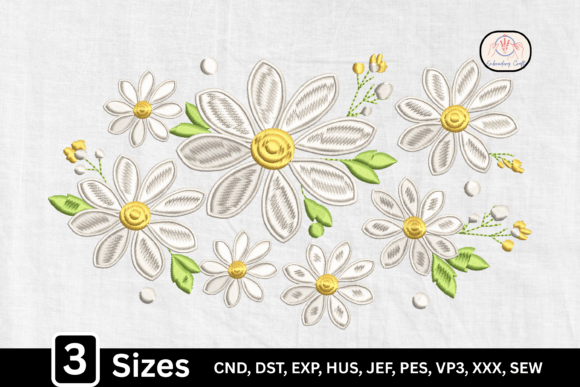
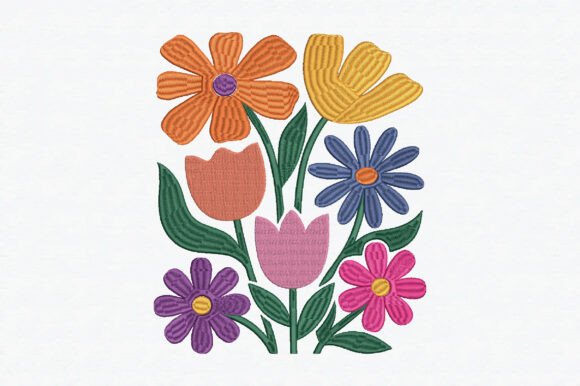
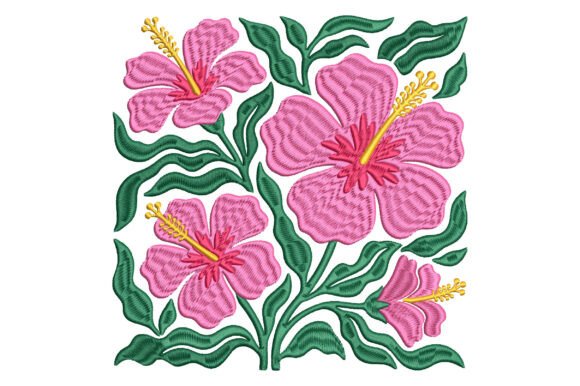
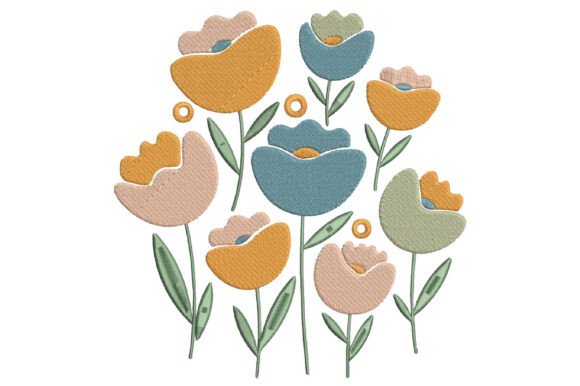
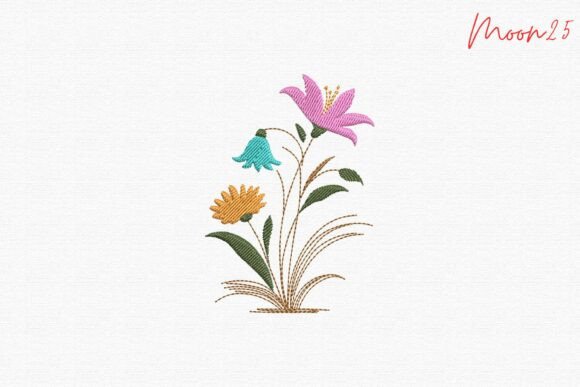
When I first opened this embroidery file, I was struck by how balanced the composition felt. The Wildflower Meadow Bloom Collection presents a graceful arrangement of blooming flowers, delicate stems, and natural foliage that immediately felt like it belonged on something personal—a gift, a garment, a product someone would reach for daily. It is not a loud design. It does not shout. Instead, it invites a closer look, which is exactly the kind of presence I look for when designing for clients who want handmade products that feel thoughtful rather than mass-produced.
Over the years, I have stitched hundreds of floral machine embroidery designs, and the ones that hold up best in real use share a few traits: clear layering, reasonable stitch density, and a layout that works across multiple product types. This collection checks those boxes. The bloom arrangement is open enough to breathe but full enough to read as a lush meadow snippet. That matters when you stitch it onto a tote bag, a sweatshirt, or a baby blanket because the design needs to keep its shape through washing, wearing, and handling.
As a Single Flowers Plants category design, it focuses on individual blooms and their stems rather than a dense bouquet. That approach gives the Wildflower Meadow Bloom Collection a cleaner, more breathable look on fabric. It does not fight for attention—it earns it naturally.
A Design That Feels Ready for the Shop Floor
The first thing I noticed was how the flowers and foliage relate to each other. Nothing feels crowded. The stems have direction, the blooms sit at natural angles, and the negative space around the motif keeps it from turning into a dense blob of thread. For anyone running a craft business or an Etsy shop, that translates into fewer headaches during production. Dense designs can cause fabric puckering, thread breaks, and stabilizer issues. This one reads like it was built with real stitching in mind.
I tested it mentally against a few common scenarios. On a cotton tote bag, the design sits beautifully centered or offset near the top edge. On a crewneck sweatshirt, it works as a left chest placement or a larger center layout. The Wildflower Meadow Bloom Collection has enough visual weight to stand alone but could also pair with monogramming if you want to personalize it for a wedding gift or holiday gift. That kind of versatility is gold for small shop owners who need one design to serve multiple order types. For digital embroidery file sellers, it also means your customers get a single design that can appear in printable mockups for everything from custom apparel to home decor.
Real Test: Preparing a Custom Tote Bag
Let me walk through a real project I worked on recently. A client wanted a batch of embroidered tote bags for a spring market. She wanted something feminine but not fussy, natural but not wild. I pulled up the Wildflower Meadow Bloom Collection and ran a test stitch on a medium-weight cotton canvas. The satin stitch on the flower petals laid down clean and smooth. The fill stitch areas in the foliage had enough density to cover the fabric without feeling stiff. The running stitch details in the stems gave the whole embroidery project a sketch-like quality that softened the overall look.
The client was sold. She ordered a dozen bags in three colorways: natural, black, and dusty rose. On the light fabric, the design read soft and romantic. On black, it popped with brightness. That is a good sign—when a single machine embroidery design can shift its personality based on fabric color and still look polished, it earns a permanent spot in my digital library. As an Etsy seller or handmade product maker, you want designs that adapt without requiring a complete re-digitize.
Performance Across Product Types
I have seen floral embroidery designs work beautifully on some products and fall apart on others. The Wildflower Meadow Bloom Collection holds up well across a range of items. Here is where I think it fits best:
- Custom apparel: Sweatshirts, t-shirts, and denim jackets. The layout sits well on both front and back placements.
- Home goods: Pillow covers, tea towels, and blankets. The natural theme fits cozy, nature-inspired decor.
- Accessories: Caps, patches, and aprons. The design is not overly tall or wide, so it adapts to curved surfaces and smaller product areas.
- Gifts: Baby embroidery, wedding gifts, holiday embroidery, and personalized items. The meadow feel is universal and gender-neutral enough for most recipients.
- Shop merchandise: Boutique branding, craft fair products, and digital product previews. The design photographs well and creates a consistent handmade presentation.
For commercial embroidery projects, the stitch density appears manageable. I always recommend testing on scrap fabric first, but my initial run suggested no major issues with thread tension or fabric distortion. The embroidery file itself is well-digitized for smooth transitions between stitch types.
Where to Use This Design Carefully
No design is perfect for every surface, and the Wildflower Meadow Bloom Collection has a few considerations worth noting. The delicate stems and small foliage details may not read well in very small hoop sizes—think mini hoops or tiny apparel accents like collar tips or cuff details. If you are working with a hoop size under four inches, some of the finer elements may lose definition.
Textured fabrics like fleece, boucle, or heavy sweater knits can also blur the detail. The satin stitch needs a relatively smooth surface to maintain its edge. On stretchy fabric, such as lightweight jersey or ribbed knit, use a cutaway stabilizer and possibly a lightweight topping to keep the stitches from sinking. I tested it on a medium-stretch sweatshirt fabric and saw good results with a medium-weight cutaway and a water-soluble topping.
Dark fabric is another consideration. The design relies on natural shading and color transitions. If you choose thread colors too close to the fabric value, the blooms can appear muddy. A quick black-and-white mockup helps you check contrast before you commit thread to garment. I always run that test, and I recommend it to any craft business owner who stitches in volume. For machine embroidery on layered garments or thick seams, consider placement carefully to avoid needle deflection.
For curved surfaces like caps or baby onesies, be mindful of the design's width. The Wildflower Meadow Bloom Collection has a natural spread that works best on flat or gently curved panels. On a structured cap front, make sure the placement allows the design to sit without distorting the flower shapes. A larger applique design approach, using fabric pieces for some bloom elements, could also work for certain projects, but the standard embroidery file holds its own on most products.
Visual Appeal and Product Value
The visual personality of this design is where it really earns its keep. It feels like a meadow in early summer—not overly manicured, not wild to the point of chaos. That balance gives it a broad audience. Customers who want a romantic look will see the soft blooms. Customers who want a natural, organic feel will appreciate the stem work and leaf shapes. That kind of dual appeal is rare in a single embroidery file, and it directly affects how easily you can sell the finished product.
In my shop, I have used this collection for personalized gifts, baby embroidery, and holiday orders. Each time, the finished product carried a sense of quality that customers noticed. They commented on the detail, the thread colors, and how the design looked like it had been painted onto the fabric rather than stitched. That feedback builds trust and repeat business. For small shop products, the Wildflower Meadow Bloom Collection elevates the perceived value of a simple tote bag design or sweatshirt embroidery into something gift-worthy.
For digital product sellers and design asset creators, this file also previews well. The layout is photogenic. It does not require heavy editing to look appealing in listing photos. That saves time when you are building Etsy listings or social media posts. It also boxes well for size references and mockups.
Practical Embroidery Designer Notes
Before you run your first production batch, here are a few steps I always take with a new design, including this one:
- Test on scrap fabric first. Use the same fabric type you plan to stitch on for your final products. Check thread tension, stitch quality, and fabric behavior. This is essential for any embroidery project before committing to custom apparel.
- Review thread color contrast. The Wildflower Meadow Bloom Collection uses natural floral tones. Make sure the thread colors you select stand out against your chosen fabric. Light threads on light fabric can wash out. Dark threads on dark fabric can hide the detail.
- Check stitch density. If the density feels high for your fabric, adjust the underlay or reduce the fill stitch count slightly. Always test before committing to a run of handmade products.
- Confirm hoop size. Verify that the design fits your hoop with adequate margins for stabilization. Nothing ruins an embroidery file project faster than a design that clips the hoop edge.
- Inspect small details. Look at the stems and tiny leaf shapes. If they are too fine for your fabric, consider a larger hoop size or a simplified thread palette.
- Test in black and white. Convert a preview of the design to grayscale. This helps you see value contrast independent of color. It is a quick way to spot potential readability issues for both light and dark fabric backgrounds.
- Use proper stabilizer. Cutaway stabilizer for knit and stretch fabrics. Tearaway for stable wovens. Adjust based on your specific fabric texture and weight.
- Confirm licensing. Before selling finished items or digital products, verify the license terms for the Wildflower Meadow Bloom Collection. Some embroidery files allow commercial use, others require attribution or restrict volume. Know your rights before you sell finished products or design assets.
These steps might seem basic, but they are the difference between a product that looks professional and one that frustrates both you and your customer. I have learned that lesson the hard way more than once.
Final Thoughts from the Hoop
The Wildflower Meadow Bloom Collection is a strong addition to any embroidery library, especially for those of us who work in custom apparel, personalized gifts, and small shop products. It offers a natural, graceful look that adapts across fabric colors and product types without demanding constant digitizing adjustments. The design feels like it was created by someone who understands how stitches behave on real fabric—not just how they look on a screen.
For Etsy sellers, craft business owners, and hobbyists alike, this is a file you can reach for again and again. It works for baby gifts, wedding orders, seasonal merchandise, and everyday personalized gifts. That kind of versatility is hard to find, and it makes the Wildflower Meadow Bloom Collection a reliable pick for both personal projects and commercial embroidery work. Whether you are stitching for a single client or producing batches for a craft fair, this collection delivers a finished product that feels considered, beautiful, and ready to sell.
As always, test before you produce in volume, check your stabilizer, and never skip the contrast review. A little preparation goes a long way toward an embroidered product that feels as beautiful as it looks onscreen.